
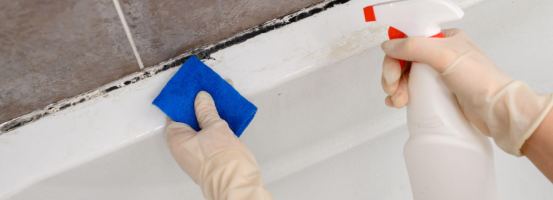
Fungi are high-risk areas for mold growth. The hot, humid, and closed nature of bathrooms provides an ideal environment for fungal reproduction. This article will explain why mold prefers bathrooms, how to spray anti-mold agents to prevent them scientifically, and provide practical prevention and response strategies.
1. Why is the bathroom a “hotbed” of inspiration?
1.1 Four major conditions for mold growth (in accordance with EPA and CDC definitions)
| condition | source |
| Humidity>70% | After bathing, the humidity reaches more than 90% |
| Temperature 68–86°F (20–30°C) | Ideal temperature range after bathing |
| Organic matter | Skin flakes, soap residue, shampoo deposits |
| Poor ventilation | Humidity > 70% |
Experiments show that under high humidity conditions, mold spores can germinate within 24 hours and visible colonies can be formed within 72 hours (Journal of Fungal Biology, 2021)
1.2 Common “high-risk mode areas”
| area | Infection rate (estimated) | Typical strains |
| Tile table | 80–90% | Aspergillus niger |
| Silicone edge for shop | More than 90% | Cladosporium spp. |
| Roof corner | 60–70% | Alternaria spp. |
| Drain/Floor Drain | 75–80% | Mucor spp. |
2. Five major threats to health caused by bathroom styling
| Grinding Type | Performance/data support |
| Respiratory problems | Triggers/hidden allergic rhinitis; spores are only 2–10 microns in diameter and can enter the alveoli (CDC) |
| Skin diseases | Eczema, athlete’s foot, fungal infections (such as baker’s fungus) |
| Immune system load | Triggers/hidden allergic rhinitis: spores are only 2–10 microns in diameter and can enter the alveoli (CDC) |
| Infant/Kindergarten Risks | Increased risk of lung infection; may cause COPD (chronic obstructive pulmonary disease) |
| Psychological stress | Mold stains cause visual pollution and affect emotions; long-term environmental stress increases anxiety (Harvard Medical School) |

3. Advantages of anti-mold spray: Science beats bleach
| method | advantage | robe |
| Bleach (bleach) | Powerful sterilization, low price | Corrodes surfaces, irritates pollutants, has no residual effect |
| Physical cleaning | Removes visible mildew | Does not affect spores or prevent regeneration |
| Anti-mildew spray | Film-forming protection + antibacterial + long-lasting protection | Requires periodic maintenance, not “one-time spray to eliminate forever” |
3.1 Three core technologies of high-efficiency anti-mildew spray
Film-forming technology: Forms an invisible antibacterial film on the surface for continuous protection
Sustained-release formula: Gradually releases antibacterial ingredients (such as quaternary ammonium salts)
pH neutral design: vehicle tiles, metal, glass and other materials
3.2 Analysis of common active ingredients
| Element | effect |
| Quaternary Ammonium Salts (Quats) | Rapid destruction of cell walls |
| Silicone polymer | Waterproof and anti-seepage, extended extension force |
| Tea Tree/Eucalyptus Essential Oil | Natural antibacterial, safe but short-lasting |
4. Reference Guide for Anti-mold Sprays
4.1 Key performance parameters
| Performance Indicators | Recommended value |
| Coating rate | ≥99% (in compliance with JIS Z 2801 standard) |
| Duration | ≥ 15 days |
| Security | Transparent foam, ammonia, heavy metals; low odor, hypoallergenic |
4.2 Recommended popular products in North America (Unit: USD)
| Brand (US version) | Features | Price range (USD) | Applicable instructions |
| Microban 24 | Antibacterial for 24 hours, citrus fragrance | USD 5–8 | Daily spraying of shower curtains, tiles, etc. |
| Clorox Tilex Mold and Mildew | Chlorine-based, suitable for stubborn mildew stains | $6-10 | It is recommended to wear gloves |
| Method Antibacterial Bathroom Cleaner | Plant origin, hypoallergenic | USD 5–7 | Child/pet friendly |
| Concrobium Mold Control | No bleach, no irritating odor | $10–15 | Professional/Allergy-Friendly Recommendations |
�� Costco and Amazon are the main channels for purchasing large-package anti-mildew products, and the average price can be reduced to $0.4/time use
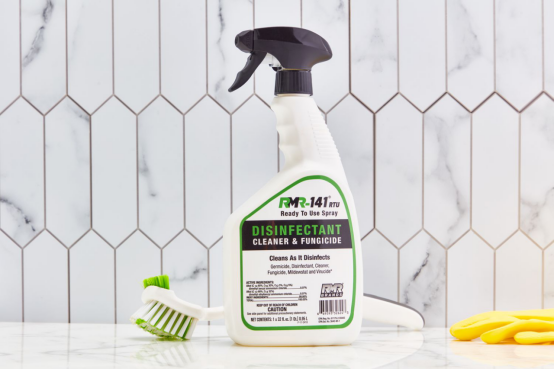
5. Complete bathroom mildew prevention operation process
5.1 Five-step mildew prevention process
Pre-cleaning : Use bathroom cleaner to remove soap scum and visible mildew
Drying: Turn on the exhaust fan and wipe dry with a towel; it is recommended to control the humidity ≤ 60%
Anti-spraying : spray evenly at a distance of 20cm, paying attention to the tower and corners
Ventilation and static: Ventilation for at least 2 hours to ensure dry film formation
Regular service: once a week in high-risk areas (catering areas), once a month in other areas
5.2 Material considerations
| Material | Mildew prevention precautions |
| ceramic tile | Priority treatment tower; can be combined with special anti-mildew caulking agent |
| Metal surface | Avoid chlorine corrosion; choose products with a “chlorine-free” label |
| Glass | Avoid scratches caused by abrasive ingredients; suitable for pH neutral formulas |
| plastic | Test whether it will fade or increase viscosity before using in batches |
6. Natural emergency plan (DIY business)
| recipe | Instructions | Pros and Cons |
| White vinegar (1:1 water route) | After spraying, let it sit for 10 minutes before wiping it off | Strong antibacterial effect but strong fragrance, short residual effect (2-3 days) |
| Tea tree essential oil (10 drops + 500ml water) | Effective mildew prevention, high safety | Tea tree essential oil (10 drops + 500 ml water) |
| Baking Soda Paste | It is used to prevent mildew, but not to prevent it. | It can enhance cleaning power, but it is not an antibacterial ingredient |
7. Expert advice & analysis of common misunderstandings
7.1 Correct sequence: Clean → Dry → Spray → Ventilate
“90% of consumers find it ineffective to spray mildew inhibitors directly on mildew spots. You must first remove the mildew and then prevent it.”
7.2 Common Error Areas
Only visible areas are clean. In fact, molds are often hidden at the top of the tower
Disinfectant = anti-mold? → Only kills existing mold; cannot prevent new spores
Is ventilation enough? → If humidity is not controlled satisfactorily, mold may still grow
7.3 Special Cases
| Condition | Solution suggestions |
| Silicone seal to prevent mildew | Re-glue after use, use antimicrobial sealant |
| Wall mold | Check for water seepage in the insulation or condenser problems |
| Mildew spots on the top reappear | Check the upper ceiling for leaks |
Summary and Action List
4 steps to prevent mold and mildew:
Thoroughly inspect bathroom wet area and tent triangle
Choose a regular brand of anti-mildew spray (safe/lasting ≥ 15 days)
Develop a “weekly spraying + monthly inspection” plan
Ventilation upgrades/dehumidification equipment (such as installing exhaust fans or dehumidification boxes)