
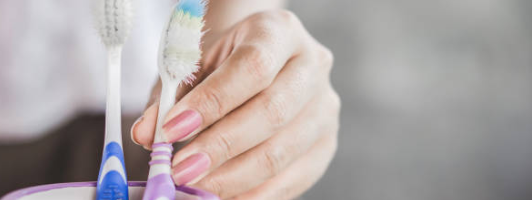
Have you ever thought about how long you have been using your toothbrush when brushing your teeth every day? Toothbrush is the first line of defense for oral health, but many people overlook its “shelf life”. Regularly replacing toothbrushes can not only improve cleaning effectiveness, but also reduce bacterial growth. This article compiles professional advice from dentists, teaching you how to scientifically determine when to retire your toothbrush.
1、 Why is it necessary to regularly replace toothbrushes?
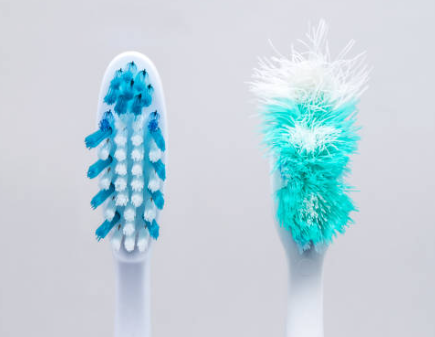
After using a toothbrush for a long time, the bristles will gradually wear out, split, and the cleaning ability will be greatly reduced. Imagine brushing your teeth with worn-out bristles, like sweeping the floor with a bald broom. It is difficult to completely remove dental plaque and food residue, which may lead to tooth decay or gum problems in the long run. In addition, a long-term humid environment for toothbrushes can easily breed bacteria, especially in warm and humid environments such as bathrooms. Bacteria can multiply in large numbers between bristles, which can actually harm oral health.
2、 What is the shelf life of a toothbrush?
According to the recommendations of the American Dental Association (ADA), regular toothbrushes should be replaced every 3-4 months. But the following situations require early replacement:
1. After getting sick: After recovering from a cold, flu, or oral infection, the toothbrush may have residual viruses or bacteria. It is recommended to replace it immediately to avoid repeated infections.
2. Brush bristle wear: If the bristles become bent, forked, or noticeably darker in color, it indicates that the toothbrush has been overused and the cleaning effect has decreased.
3. Children’s toothbrush: Children tend to brush their teeth with greater force, and the bristles are more prone to wear and tear, which may require replacement every 2-3 months.
3、 5 signals tell you it’s time to change your toothbrush!
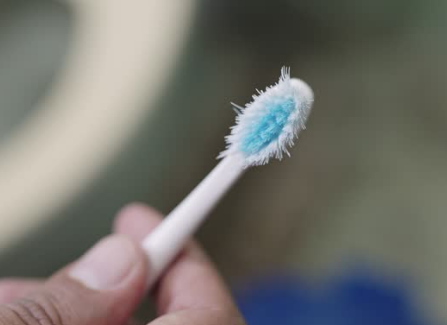
1. After brushing the teeth, there is still a “furry” feeling: If there is still a rough feeling on the tongue coating or tooth surface after brushing, it may be due to the wear and tear of the bristles causing incomplete cleaning.
2. Branching or lodging of bristles: Healthy bristles should be upright and elastic. Once branching or inability to rebound occurs, it indicates that the toothbrush has failed.
3. Toothbrush has an unpleasant odor: If the toothbrush emits an unpleasant odor, it indicates that bacteria have grown in the bristles and must be replaced immediately.
4. After recovering from illness: Whether it is a cold or oral infection, the toothbrush should be replaced after recovery to prevent residual pathogens from invading again.
5. Forgetting the last time the toothbrush was changed: If you can’t even remember when you last changed your toothbrush, it’s likely that it’s already past the 3-month deadline.
4、 Manual vs Electric Toothbrush: What is the Difference in Replacement?
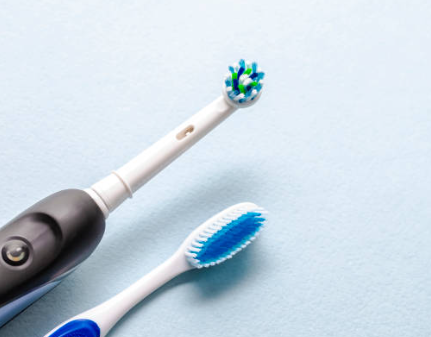
Manual toothbrush: Replace every 3-4 months, choose a soft bristled toothbrush to avoid hard bristled damage to gums and enamel.
Electric toothbrush: It is recommended to replace the brush head every 1-3 months (refer to the instruction manual for details). Although the high-frequency vibration of electric toothbrushes has stronger cleaning power, the wear rate of brush heads is also faster, and timely replacement is necessary to ensure effectiveness.
5、 How to properly maintain a toothbrush?
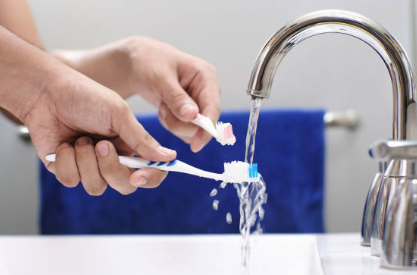
1. Clean promptly after use: After brushing your teeth, rinse the toothbrush thoroughly with water to remove any remaining toothpaste and food debris.
2. Keep dry: Place the toothbrush head facing up and let it air dry naturally. Avoid placing the toothbrush in a sealed container to prevent the growth of bacteria.
3. Protection during travel: Use a dedicated toothbrush case when going out to avoid the brush head coming into contact with pollutants.
4. Dedicated use: Do not share toothbrushes with others to prevent cross infection.
6、 Choose the right toothbrush for more effective cleaning!
Soft bristled toothbrush is safer: Whether manual or electric, choosing a soft bristled toothbrush can reduce irritation to the gums.
Moderate brush head size: The brush head should be able to easily cover 1-2 teeth, as being too large or too small can affect the cleaning effect.
Advantages of electric toothbrushes: The timing function and pressure sensing of electric toothbrushes can help you brush your teeth more scientifically, especially suitable for people who have insufficient brushing time or excessive brushing force.
Conclusion: Small habits lead to great health
Replacing a toothbrush may seem like a small matter, but it is directly related to oral health. Developing the habit of changing toothbrushes every three months can not only keep teeth clean, but also reduce the risk of tooth decay and gum disease. Next time you brush your teeth, why not check the condition of the bristles and update your oral health equipment in a timely manner! Remember, a healthy mouth starts with a clean and effective toothbrush.