

When designing or renovating your bathroom , the basin (also known as the sink ) is undoubtedly the most frequently used fixture and the primary visual focal point. It’s where you begin and end your day. However, choosing a bathroom vanity is more than just deciding on a shape (recessed, undercounter, or above-counter); it’s fundamentally about the material . The material you choose will determine its ease of maintenance, durability, and how seamlessly it integrates into your overall bathroom design .
The workhorse in the bathroom: ceramic basins
Ceramic, often referred to as porcelain or vitrified china, is the undisputed king of bathroom vanities . Made from ceramic raw materials like kaolin, it’s fired at extremely high temperatures to create a hard, non-porous surface.
Why ceramics are the first choice for most bathroom spaces
Unmatched Durability and Resilience: Due to the high-temperature firing process, the ceramic basin structure is extremely stable and highly resistant to scratches, heat, and daily wear and tear. You don’t need to worry about daily hot water or minor collisions.
H3: Cleaning and maintenance is a breeze: Ceramic is virtually non-porous thanks to its thick, smooth glaze . Stains are difficult to adhere to and can be easily cleaned with a soft cloth and a basic, neutral detergent. This high level of cleanability is a huge advantage in busy wet-area environments .
Highly cost-effective and good value for money: Ceramic basins are mass-produced and widely available, offering the best long-term value for a high-quality bathroom fixture .
Disadvantages of ceramics: Classics also have limitations
Aesthetic limitations: While available in classic undercounter or abovecounter styles, ceramic often lacks the drama or unique textures of natural materials. It’s reliable, but not necessarily stunning.
Risk of heavy impact: Despite the hard surface, if a heavy, sharp object is dropped directly into the ceramic basin, it may cause the edge to chip or, in the worst case, cause catastrophic cracking. Use with caution!
Maintenance Tip: Fighting Limescale
To keep your classic white ceramic looking pristine, occasionally use white vinegar or a mild citric acid solution to dissolve mineral and limescale buildup. But be sure to rinse thoroughly. Avoid using harsh abrasives or strong acid or alkaline cleaners, as these can damage the protective glaze over time.
The epitome of luxury: natural stone basins
For those who view the bathroom as a sanctuary—a place imbued with luxury and style—natural stone vanities (think marble, granite, or travertine) offer the ultimate “wow” effect. These vanities instantly elevate a space to spa-like quality.
Advantages of natural stone: texture, quality and style
Unique, unrepeatable beauty: Each stone basin is truly unique. The natural texture and color variations mean you are installing an exclusive geological work of art in your wet area .
Maximum visual impact and texture: Stone offers a rich, tactile experience and deep colors that cannot be replicated by man-made materials. It perfectly complements bathroom designs that are light luxury, modern, or natural .
Excellent physical strength: They are heavy, sturdy fixtures with excellent impact resistance – provided you avoid highly concentrated stress points.
The shortcoming of stone: the trade-off of high maintenance costs
Permeability: This is the biggest hurdle. Natural stone is porous, which means it absorbs liquids. Spills like red wine, hair dye, or dark makeup can quickly penetrate the surface and cause permanent, unsightly stains if not wiped up immediately.
High Price: Stone is one of the most expensive bathroom material options, reflecting the expense of quarrying, cutting, and professional polishing.
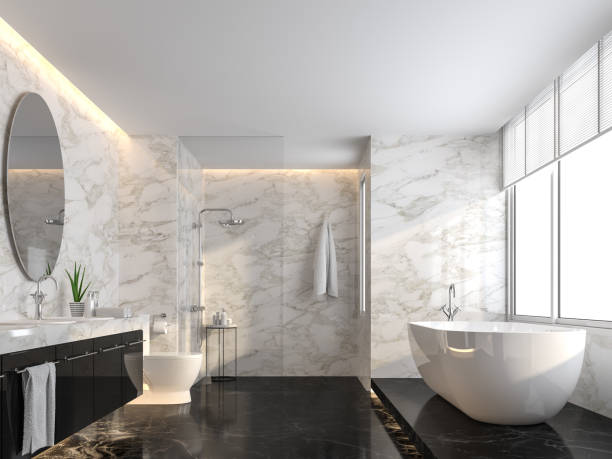
Regular maintenance required: To combat porosity, natural stone requires diligent and regular surface protection treatment with a stone sealer, usually recommended once or twice a year.
Maintenance Tip: Never use the wrong cleaning agent
Cleaning guidelines for natural stone sinks are very strict. Never use common bathroom cleaning products containing acids (such as vinegar or many toilet bowl cleaners). These can corrode and darken the stone surface. Use a strictly pH-neutral stone cleaner. And remember to apply that crucial sealant!
III. Modern and avant-garde: tempered glass basin
Tempered glass, primarily found in the form of striking above-the-counter basins , is an ideal choice for homeowners who want their bathroom space to feel sleek, modern, and filled with light.
The allure of glass: at the forefront of style and function
Light, bright, bold: glass basins, especially those that are transparent or translucent, catch light beautifully and add a bright, open feel to bathroom spaces . They are a signature feature in cutting-edge modern bathroom design .
Inherently hygienic: Like ceramic, the smooth, non-porous nature of glass means it has a harder time for bacteria and dirt to adhere, making it easy to disinfect.
Tempered for safety: No need to worry about shattering instantly. This material is specially tempered. Even if it breaks under extreme pressure, it will break into relatively harmless, inert particles, ensuring bathroom safety .
Glass’s Achilles’ heel: visibility issues
A notorious water stain magnet: In humid, wet environments , glass will immediately show every water stain, water mark, and fingerprint. To maintain that crystal-clear appearance, you’ll need to wipe the basin dry after almost every use.
Temperature sensitivity: Despite the tempering process, sudden, drastic changes in temperature (such as pouring boiling water directly into an ice-cold basin) could theoretically affect the integrity of the glass over time.
Maintenance Tips: Scraper Solutions
To overcome water stains, treat your glass sink like your shower door. Keep a small scraper or microfiber cloth handy, and make it a habit to dry the surface immediately after washing your hands or brushing your teeth. A good quality glass cleaner will take care of any stubborn film of dirt.
Conclusion: Which basin is best for your life?
The best bathroom vanity material isn’t about which is objectively “best,” but rather which best suits your lifestyle and bathroom design goals:
If you prioritize low maintenance, durability, and maximum return on investment for a busy home bathroom space, choose ceramic .
If your priority is to create a luxurious, textured focal point, and you are willing to adhere to the necessary regular sealing and precise cleaning practices, choose natural stone .
If your aesthetic leans towards modern and minimalist, and you’re diligent enough to handle the daily chores of water stain cleanup, opt for tempered glass.
your ideal wet area look like? Share your favorite sink material and any cleaning tips in the comments below!