
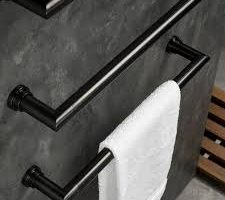
Let’s be honest: few things ruin a pleasant shower faster than picking up a towel that was still damp from yesterday. This isn’t just a minor inconvenience; a perpetually damp towel is a breeding ground for mold and bacteria, seriously impacting bathroom hygiene . If your bathroom is incredibly humid, especially if it lacks windows, a ventilation fan alone won’t be enough.
the heated towel rail (HTR) . Once a niche luxury accessory , it has evolved into a powerful “smart health butler” for the modern home. It not only provides warm and fluffy towels, but also offers professional towel drying , bathroom dehumidification , and powerful antiseptic capabilities . Ready to transform your daily routine and enhance bathroom comfort? Here’s a complete guide to choosing this essential bathroom accessory.
Part 1: Beyond Warmth – The Triple Threat Advantages of High-Temperature Gas-Cooled Reactors
premium heated towel rail is more than just a simple electric heating coil; it’s a versatile climate control solution that doesn’t compromise on style. These core features are why the HTR has quickly become a bathroom must-have.
Comfort Factor: Fast towel drying and dehumidification
Say goodbye to musty odors: Wet towels harbor bacteria and produce unpleasant musty odors. HTR ensures towels dry quickly and thoroughly, typically within hours.
Fights bathroom moisture: For small or poorly ventilated spaces (especially windowless bathrooms ), the HTR cleverly distributes heat, acting as a gentle auxiliary dehumidifier . This helps prevent condensation on walls and mirrors, protecting your surfaces and reducing the risk of mold and mildew growth.
Health Guardian: Hygienic Heat Sterilization
Think of a damp towel as a bacteria tower. Studies have shown that damp towels can harbor high levels of E. coli.
HTR Sterilization Zone: By maintaining a constant high temperature (typically above 131°F/55°C), heated towel racks create an environment that effectively protects against bacteria, mites, and mold. It effectively kills bacteria without you having to worry about it, making it a true smart health manager for your home .
Smart integration: automation and energy efficiency
The best modern heated towel rails offer more than just a simple on/off switch. Look for smart temperature controls that allow you to set the precise heat level.
Total control: Features like timers and remote control (via Wi-Fi/App) mean your rack only runs when needed – perhaps just within an hour of your morning shower – significantly improving bathroom convenience and managing energy consumption .
Part 2: The Ultimate Buyer’s Guide – 5 Key Factors to Consider When Choosing an HTR
Choosing the right heated towel rail requires balancing performance, safety, and integration with your existing bathroom design. Here are five key factors to consider before buying.
Heating technology: dry electric heating vs. liquid-filled heating (hydrothermal heating)
Dry Electric (Alloy/Carbon Fiber): This is the modern standard. Advantages: Fast heating , low overall energy consumption , uniform rail temperature, and low maintenance. Disadvantages: Usually has a higher upfront cost. This technology generally provides excellent, fast towel drying results .

Liquid-filled (Hydraulic/Wet): These heating racks circulate heat in a liquid (water or oil). Advantages: Gentle, longer-lasting heating; generally less expensive. Disadvantages: Slower heating and cooling; risk of leakage or evaporation with long-term use.
Materials and aesthetics: durability meets style in the bathroom
Corrosion resistance: Bathrooms are a harsh environment. Choose high-grade materials such as 304 stainless steel or high-quality space aluminum to ensure that the shelf is resistant to rust and corrosion.
Designed to Match: HTR comes in a variety of styles (trapezoidal, flat, custom shapes). Choose the right size and look to complement your existing bathroom accessories and avoid taking up space in smaller bathrooms .
Safety first: Unquestionable IPX4 rating
Any appliance placed in a wet area must be waterproof. Make sure it’s rated at least IPX4 . This certification ensures the shelf can safely handle splashes of water and high humidity levels common in bathrooms .
Power and Installation: Wired or Plug-in?
Hardwired (concealed/hidden wiring): This is the gold standard of aesthetics. Wiring is concealed within the wall, creating a clean, streamlined look that blends seamlessly with your bathroom decor —but it does require careful pre-planning and wall construction.
Plug-in (visible cord): Easiest to install, requiring only a nearby outlet. Pros: Great for rentals or an easy DIY upgrade. Cons: Visible cords may disrupt your bathroom design .
Energy consumption: a worthwhile bathroom investment
Don’t be misled by the word “heater.” Most high-quality HTRs run on surprisingly low wattage—usually similar to or just slightly higher than a standard light bulb.
When calculating the true cost, consider the long-term benefits : less frequent towel washing, improved hygiene, and less reliance on full-size bathroom heaters make it a financially and health-wise bathroom investment .
Part 3: Practical tips for installation and service life
Even the best heated towel rail needs to be positioned correctly to maximize its efficiency and safety.
Optimal Location: Install the HTR near a shower or tub for easy access, but ensure it is out of the direct spray zone to protect the electrical components and maintain the IPX4 waterproof rating .
Contractor Communication: If you choose a hardwired model, clearly communicate the exact height and location of the junction box with your electrician or bathroom renovation team early on. Precision is key.
Pre-Start Checks: Before loading, run the rack through a cycle to ensure even heat distribution and confirm all intelligent controls (app/timers) are functioning properly.
Conclusion: Redefining “Luxury” in Everyday Life
This heated towel rail isn’t an unnecessary expense; it ‘s an essential bathroom accessory , a “smart health butler” for your hygiene and energy savings. It’s simple to use, relatively affordable, and delivers lasting, visible benefits – from eliminating damp odors to protecting your health.
Ready to say goodbye to your cold, damp bathroom? By focusing on the right heating technology and safety standards like IPX4, you can make an informed decision. What small changes have you made in your bathroom that have significantly improved your quality of life? Let us know in the comments!